Al-Fajr Implements the Second Phase of the Olive Tree Planting Project in the Gaza Strip
2026/07/23
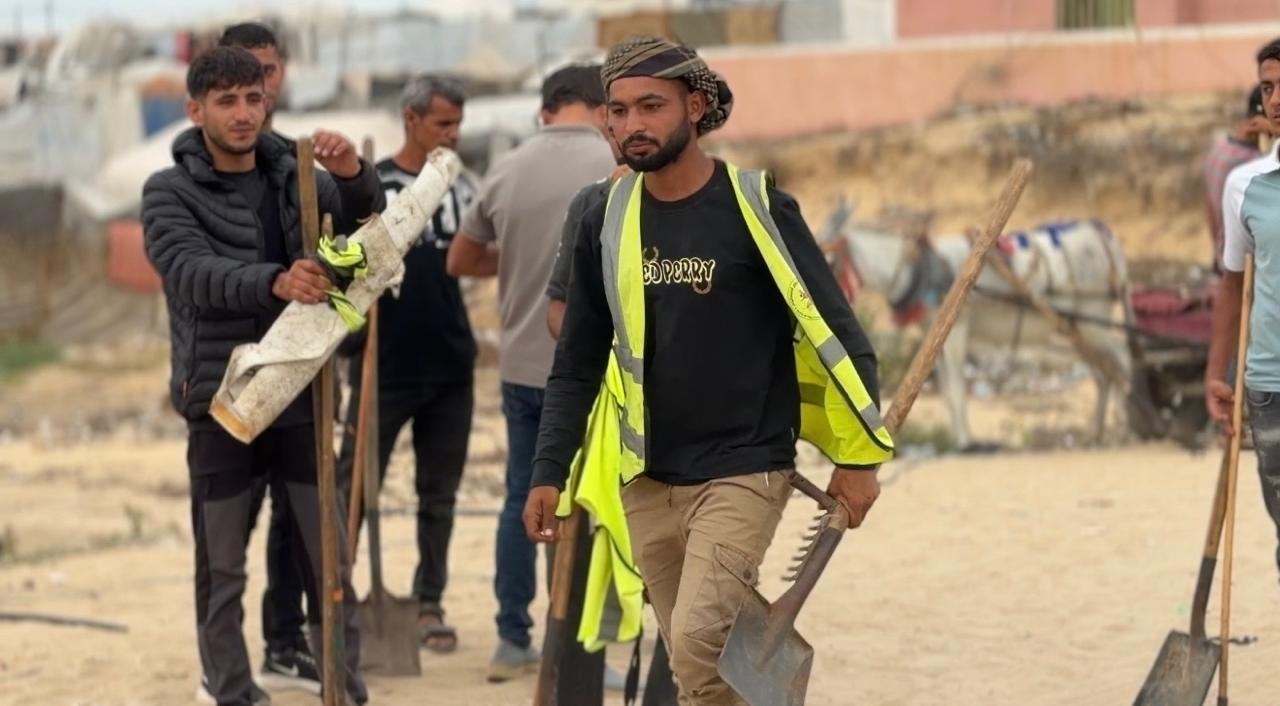
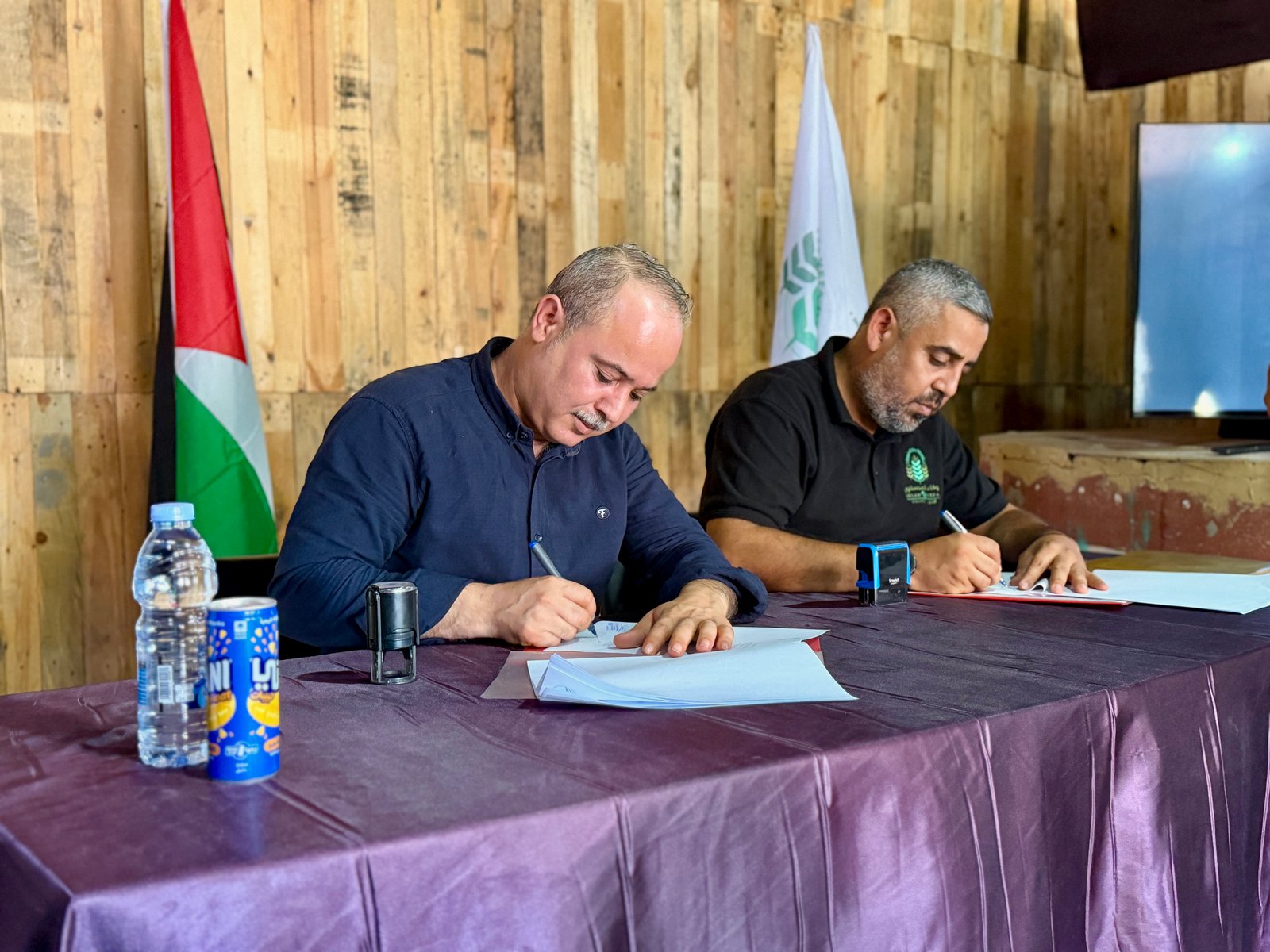
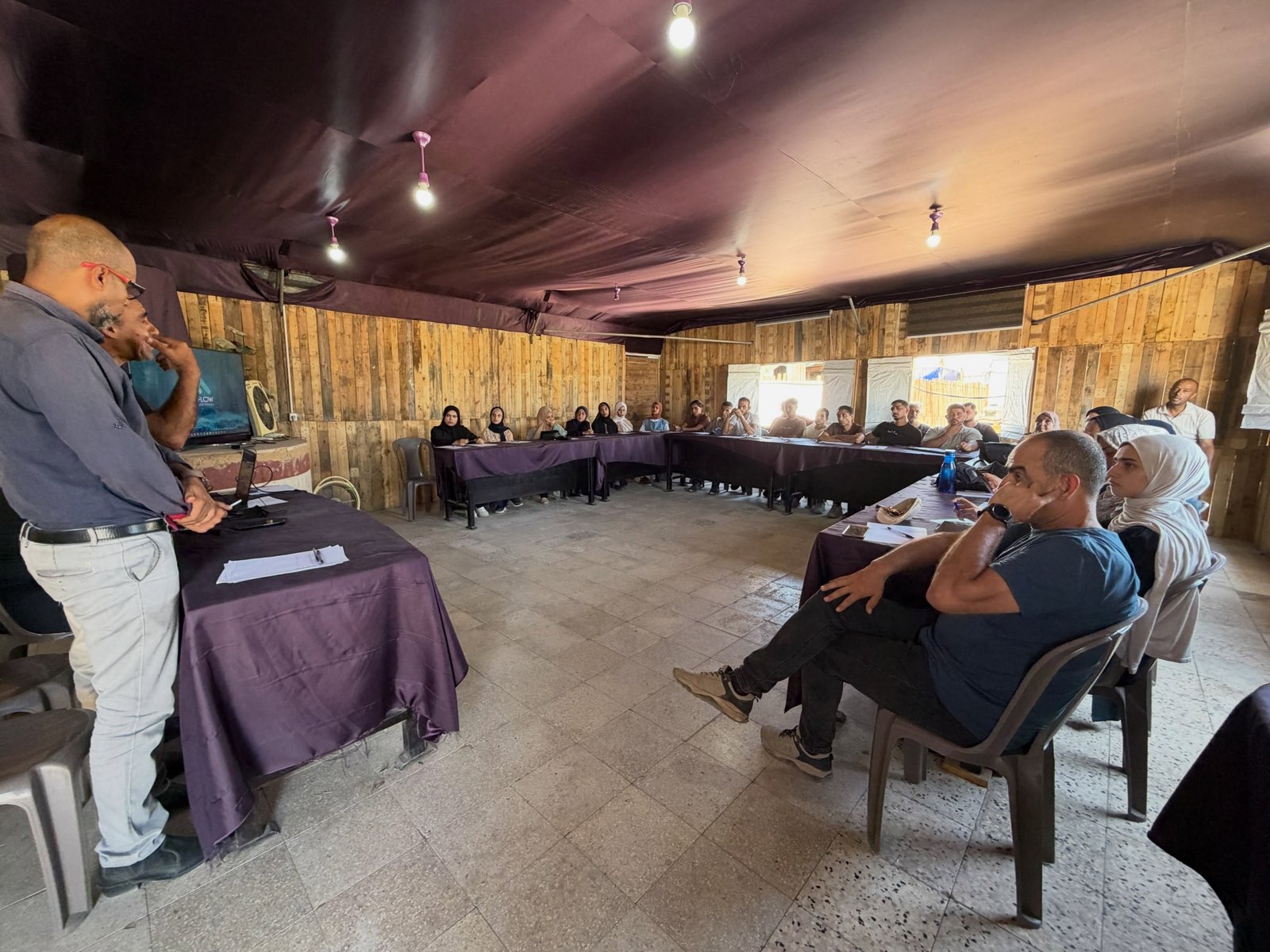
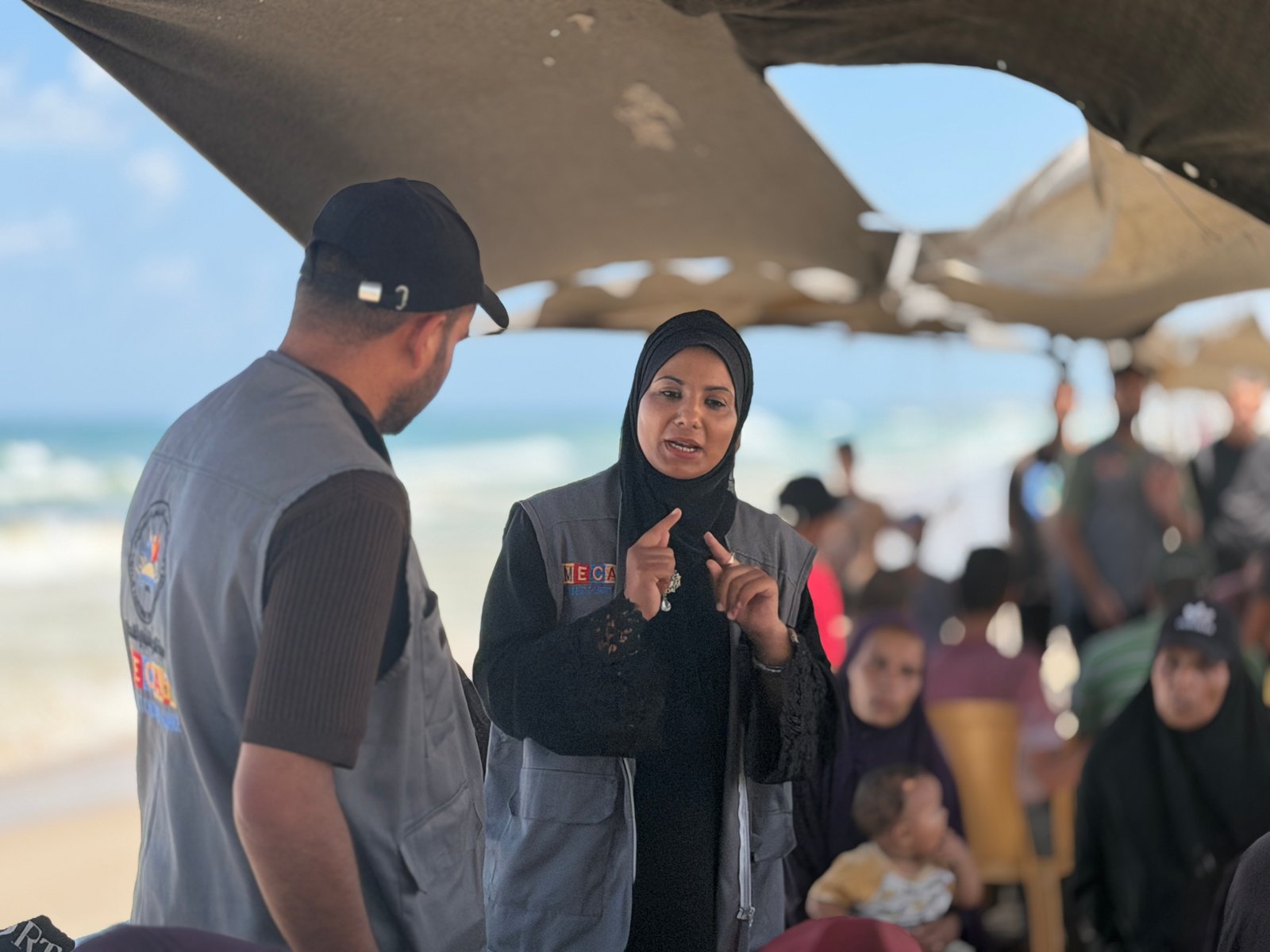
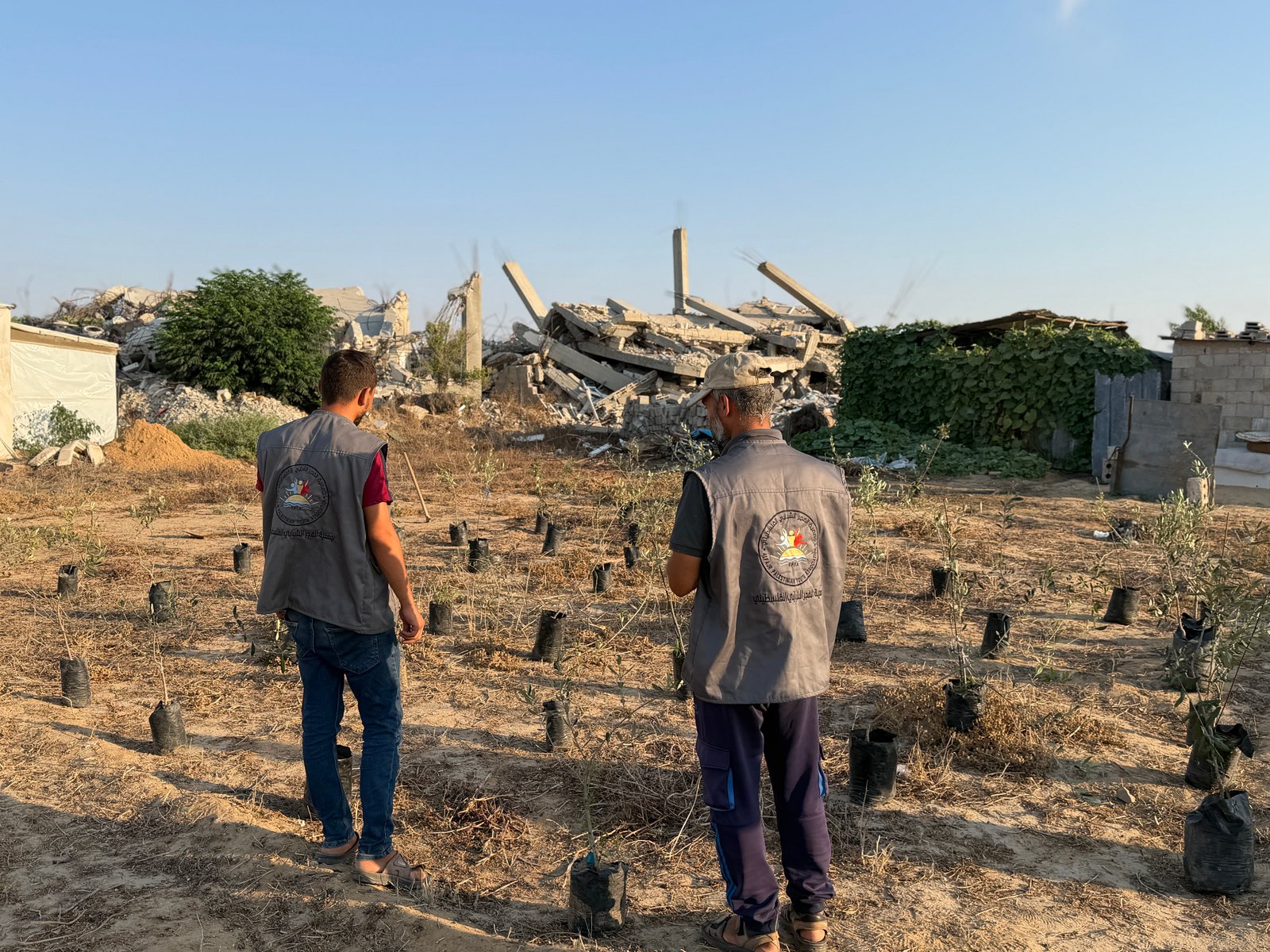
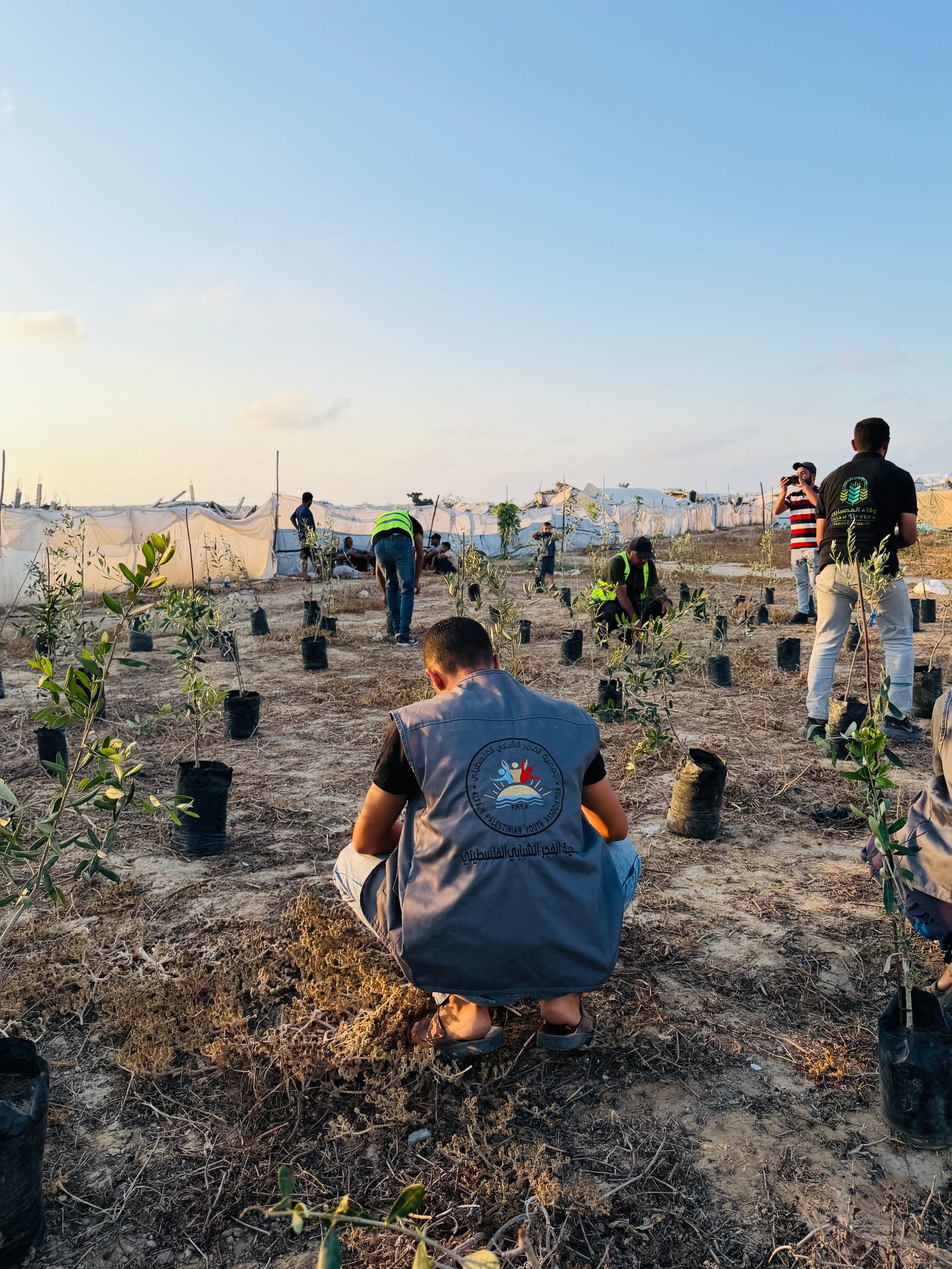
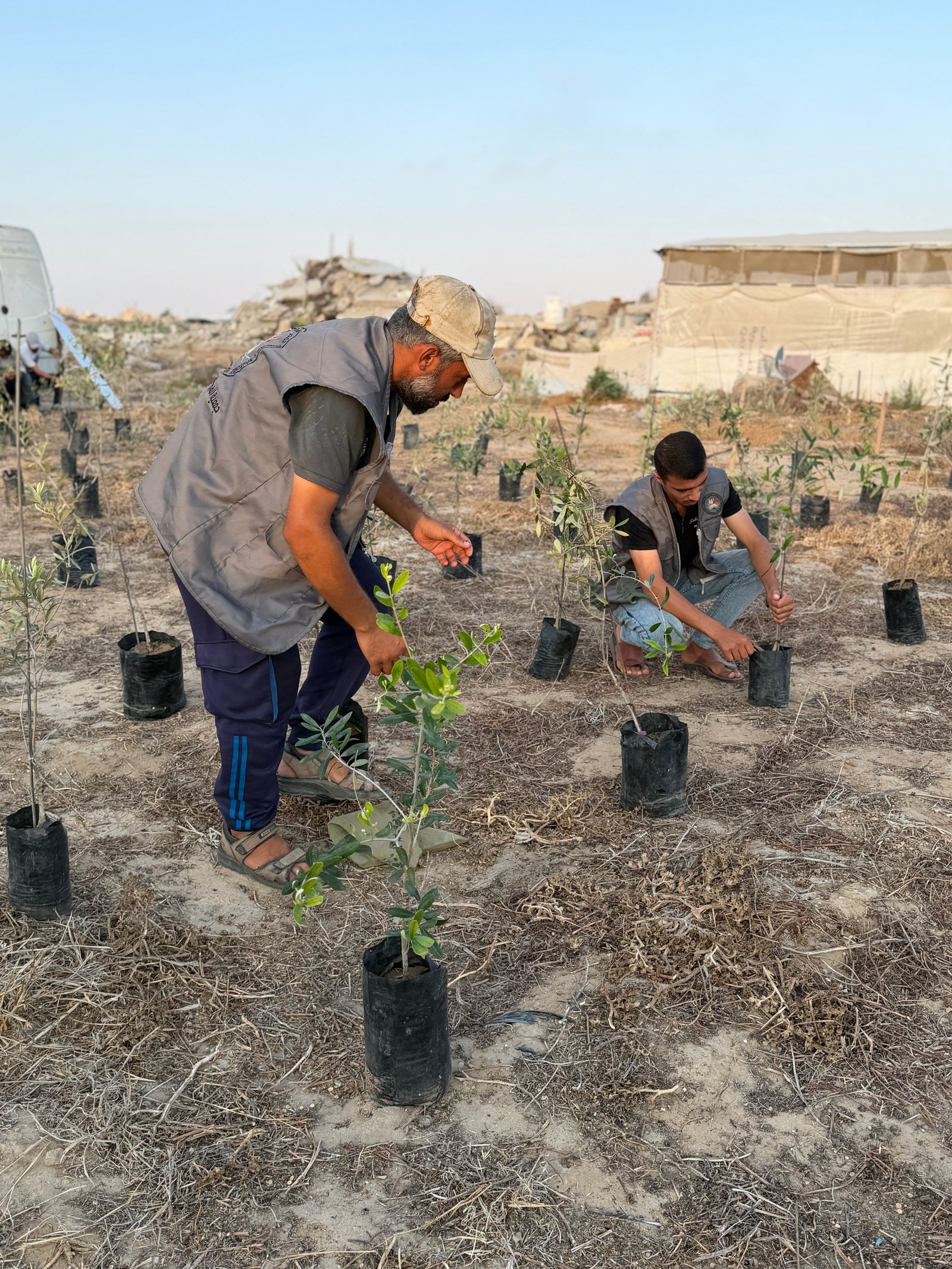
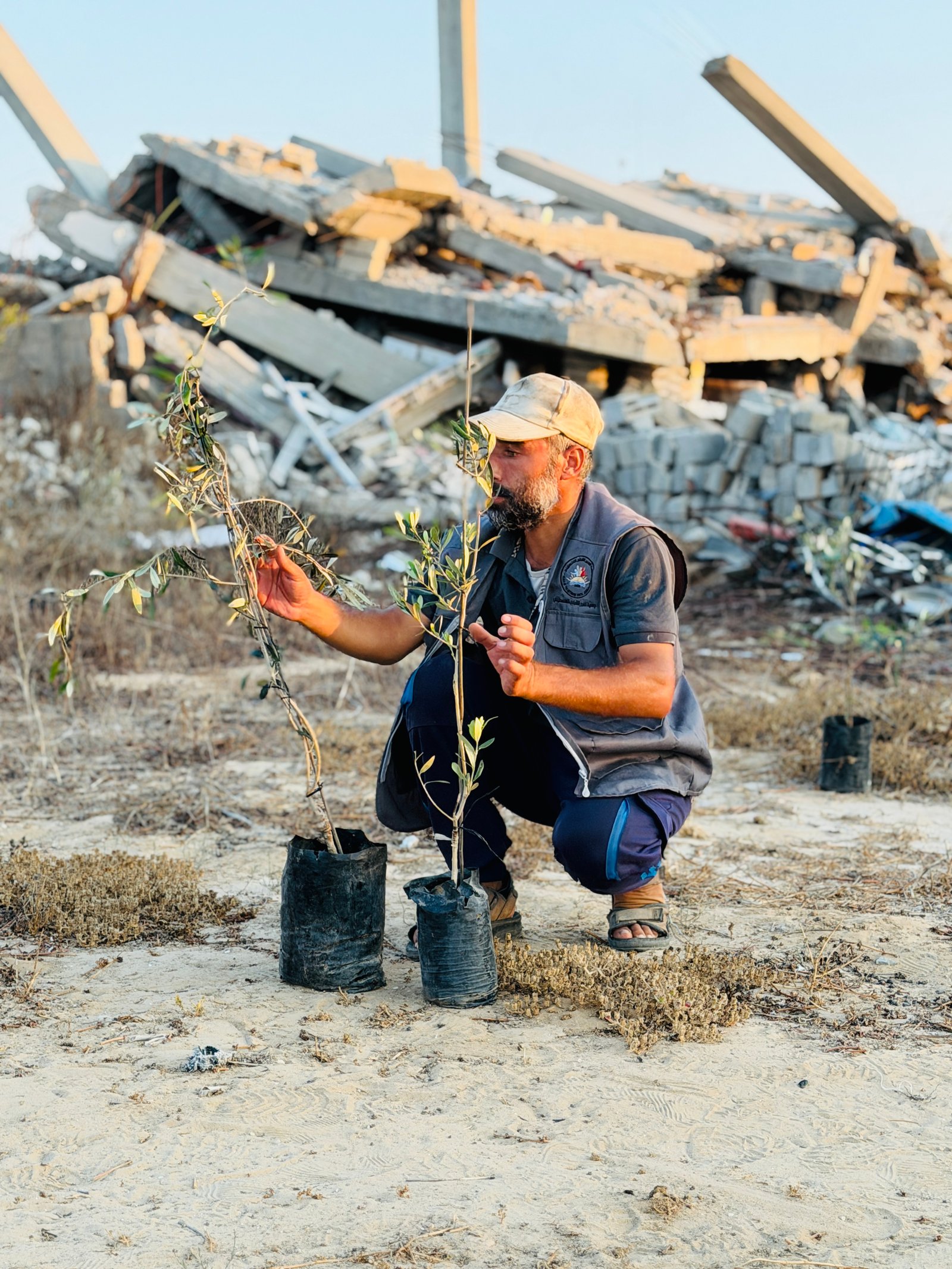
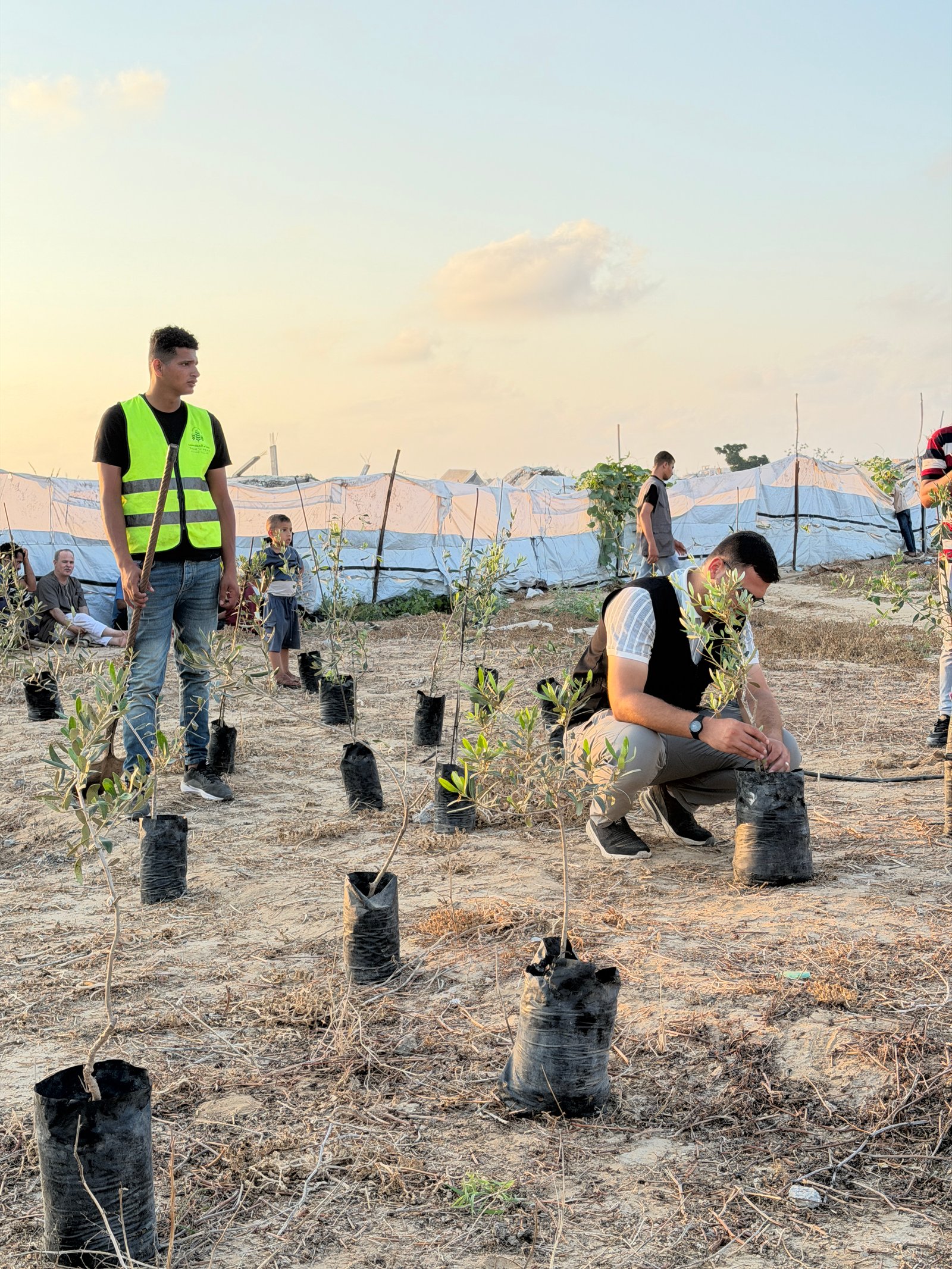
AlFajr Palestinian Youth Association (FPYA), with funding from Wafaa Al-Muhsineen Charitable Foundation, implemented the second phase of the Olive Tree Planting Project in the Gaza Strip. The project forms part of the Association’s ongoing efforts to support the agricultural sector, strengthen farmers’ resilience, and contribute to the rehabilitation of damaged agricultural land.
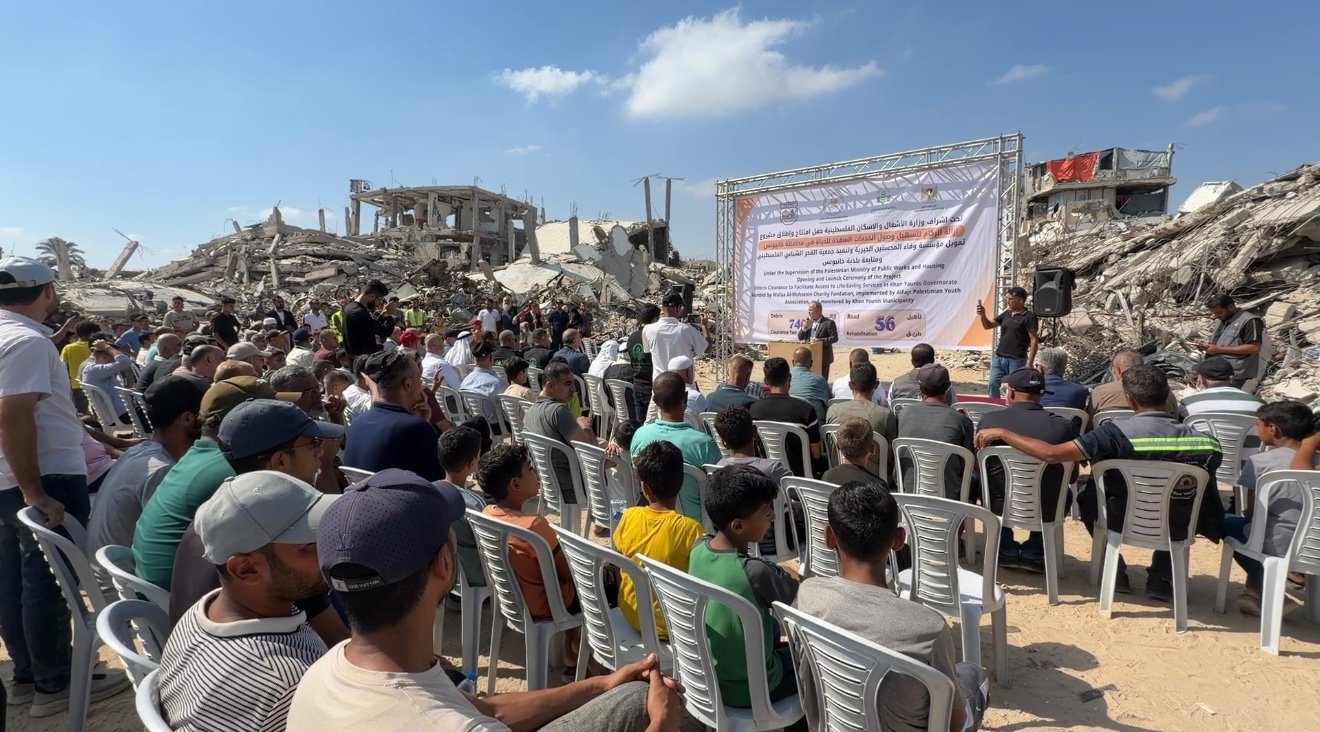
The project responds to the significant challenges facing farmers in the Gaza Strip and the extensive damage caused to farmland and agricultural assets by the current circumstances. This damage has adversely affected local production and the livelihoods of families that depend on agriculture as their primary source of income.
The project contributes to restoring vegetation cover, encouraging farmers to continue cultivating their land, and improving their livelihoods. It also supports local agricultural production and promotes long-term food security.
Al-Fajr Palestinian Youth Association reaffirms its commitment to implementing agricultural and development interventions that address the needs of affected communities, strengthen farmers’ resilience, and help them restore their productive activities in partnership with supporting organizations and donors.
The project responds to the significant challenges facing farmers in the Gaza Strip and the extensive damage caused to farmland and agricultural assets by the current circumstances. This damage has adversely affected local production and the livelihoods of families that depend on agriculture as their primary source of income.
The project contributes to restoring vegetation cover, encouraging farmers to continue cultivating their land, and improving their livelihoods. It also supports local agricultural production and promotes long-term food security.
Al-Fajr Palestinian Youth Association reaffirms its commitment to implementing agricultural and development interventions that address the needs of affected communities, strengthen farmers’ resilience, and help them restore their productive activities in partnership with supporting organizations and donors.