How do you protect yourself and your children from rodents and insects
2026/05/05
In the harsh conditions of displacement, the tent has become the only refuge for families. Unfortunately, it lacks the structural protection of proper homes, making it highly vulnerable to intrusion by rodents and insects. These are not merely a source of annoyance in the lives of displaced people; they pose a direct health threat that intensifies the suffering of life in camps and causes damage that exceeds what can be endured, both in terms of health and economic reality. This is because:
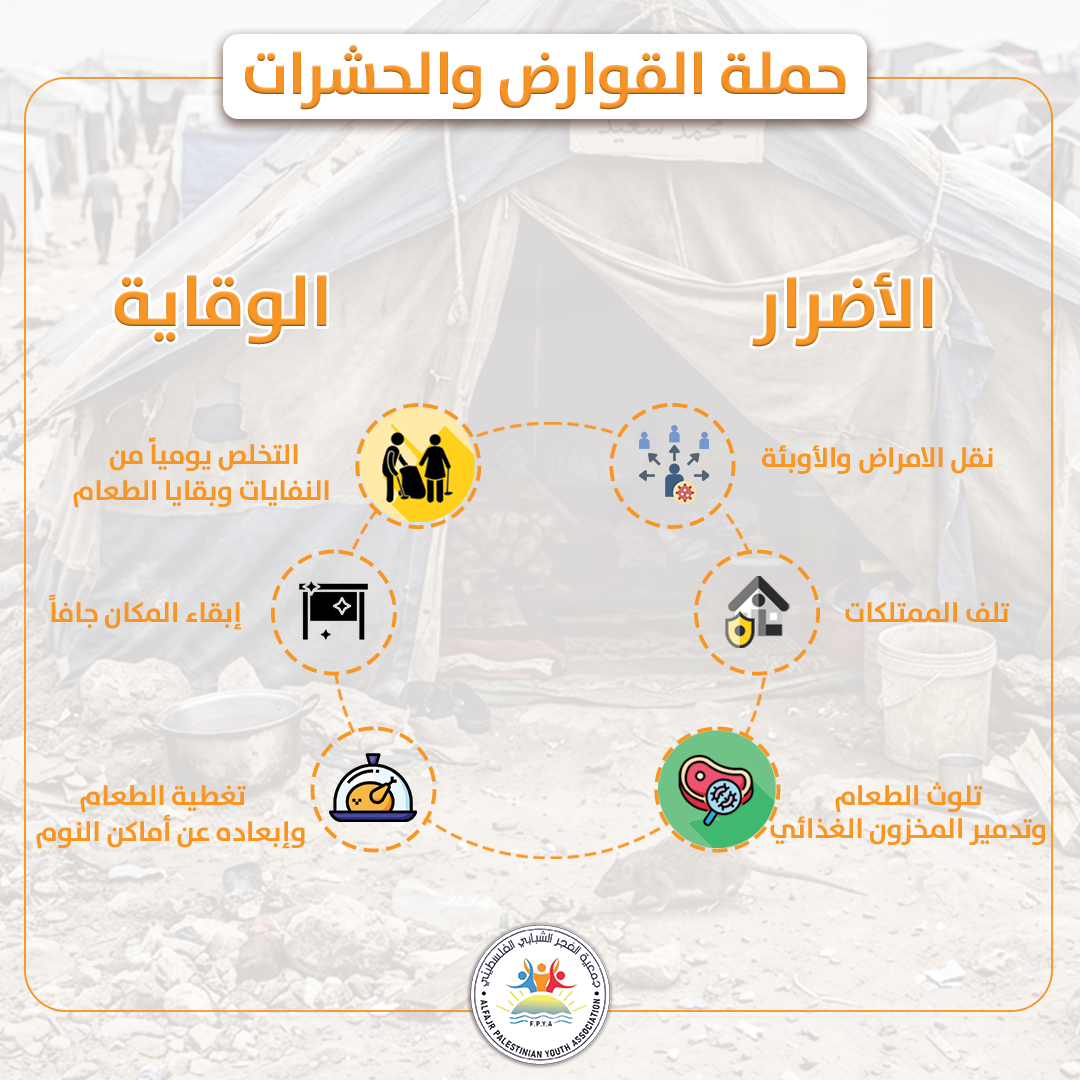
* *Carriers of epidemics in a fragile environment:* With overcrowding and limited access to water, insects and rodents become pathways for disease transmission. Mosquitoes and flies spread eye infections and acute gastrointestinal illnesses, while rodents pose a serious danger by transmitting diseases such as tonsillitis or salmonella, in addition to contributing to “night terrors” and their psychological impact on children.
* *Destruction of food supplies:* Displaced people often rely on dry food aid. When rodents reach these supplies, it does not only mean a reduction in quantity, but complete spoilage and contamination with their droppings, depriving entire families of their daily sustenance.
* *Damage to shelter and clothing:* Rodents have the ability to gnaw through tent fabrics, clothing, and blankets—resources that are difficult to replace under current conditions—thus increasing the financial and psychological burden of displacement.
Despite the difficulty of achieving full control in an open environment, some simple steps can make a significant difference in prevention, response, and reducing damage:
* *Waste management and disposal:* Waste should be collected in tightly sealed bags and kept at a safe distance from the tent. Accumulated waste is the primary “magnet” that attracts rodents and flies.
* *Reinforcing entrances and corners:* Using extra pieces of fabric, wood, or even stones to block gaps at the base of the tent, and raising food containers off the ground—placing them on tables or hanging them when possible—helps prevent pests from reaching them.
* *Eliminating moisture and keeping the area dry:* Insects, especially mosquitoes, breed in stagnant water. Filling small pits around the tent or covering them with sand reduces their chances of breeding.
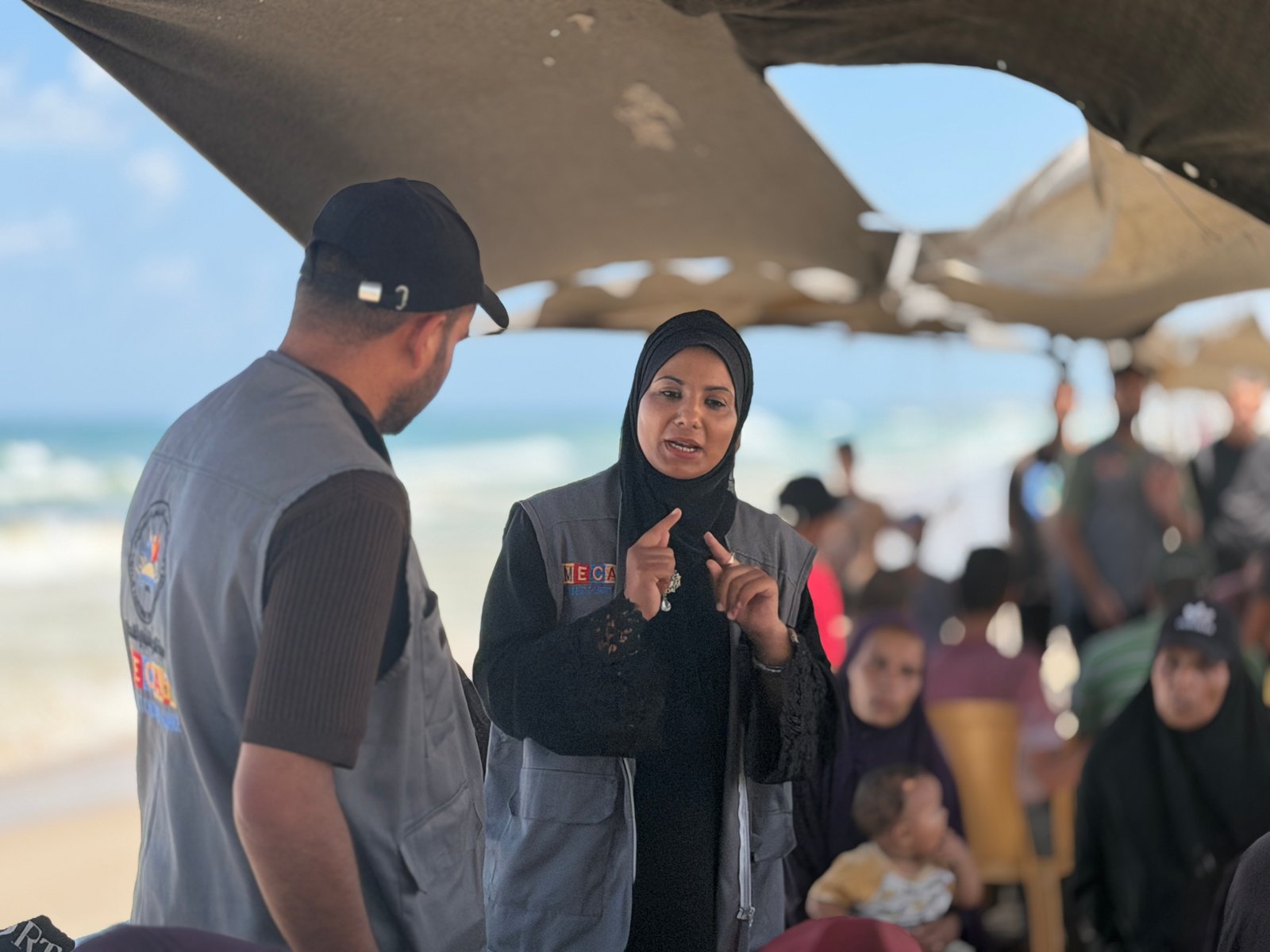
Combating pests in camps is not an individual effort; one clean tent is not enough if the surrounding area is neglected. Protection requires collective awareness, starting with cleaning shared spaces between tents, to ensure that this simple shelter remains a place of safety, not a breeding ground for disease.
* *Carriers of epidemics in a fragile environment:* With overcrowding and limited access to water, insects and rodents become pathways for disease transmission. Mosquitoes and flies spread eye infections and acute gastrointestinal illnesses, while rodents pose a serious danger by transmitting diseases such as tonsillitis or salmonella, in addition to contributing to “night terrors” and their psychological impact on children.
* *Destruction of food supplies:* Displaced people often rely on dry food aid. When rodents reach these supplies, it does not only mean a reduction in quantity, but complete spoilage and contamination with their droppings, depriving entire families of their daily sustenance.
* *Damage to shelter and clothing:* Rodents have the ability to gnaw through tent fabrics, clothing, and blankets—resources that are difficult to replace under current conditions—thus increasing the financial and psychological burden of displacement.
Despite the difficulty of achieving full control in an open environment, some simple steps can make a significant difference in prevention, response, and reducing damage:
* *Waste management and disposal:* Waste should be collected in tightly sealed bags and kept at a safe distance from the tent. Accumulated waste is the primary “magnet” that attracts rodents and flies.
* *Reinforcing entrances and corners:* Using extra pieces of fabric, wood, or even stones to block gaps at the base of the tent, and raising food containers off the ground—placing them on tables or hanging them when possible—helps prevent pests from reaching them.
* *Eliminating moisture and keeping the area dry:* Insects, especially mosquitoes, breed in stagnant water. Filling small pits around the tent or covering them with sand reduces their chances of breeding.
Combating pests in camps is not an individual effort; one clean tent is not enough if the surrounding area is neglected. Protection requires collective awareness, starting with cleaning shared spaces between tents, to ensure that this simple shelter remains a place of safety, not a breeding ground for disease.